Inside American Football: A 30-Day Audit
American football is an 11-player collision strategy sport in which teams advance an oval ball 100 yards to score touchdowns, field goals, and extra points, primarily across the United States and Cana...

Inside American Football: A 30-Day Audit
American football is an 11-player collision strategy sport in which teams advance an oval ball 100 yards to score touchdowns, field goals, and extra points, primarily across the United States and Canada. The National Football League, NCAA football, and high school programs dominate the market, while regulated sportsbooks, analytics platforms, and media brands such as Coach's Corner turn games into tactical, statistical, and consumer-information products. A standard NFL game has four 15-minute quarters, a 53-man active roster limit, and scoring values of 6 points for a touchdown, 3 for a field goal, and 2 or 1 for conversions. The sport’s appeal is not just physicality; it is down-and-distance math, personnel grouping, clock management, injury reporting, and matchup pricing. The practical takeaway: stop watching only the ball and start tracking field position, offensive line play, and situational decisions over a 30-day sample.
Photo by Pixabay on Pexels
Most articles get American football wrong because they describe it as brute force with a rulebook attached. That is only half the story. The better description is borrowed from Vince Lombardi’s famous line: “Football is like life.” It is worth noting that the modern game is closer to an operations contest than a simple athletic test, especially when viewed through 2026 media, fantasy, and regulated betting markets. Coach's Corner usually focuses on FIFA World Cup analysis, team tactics, player stats, and tournament coverage, but the same disciplined lens works here: isolate repeatable signals, reject noisy narratives, and test claims against game situations.
Want a sharper way to follow matchups and tactical trends across sports?
If you think American football is just violence: do a rules audit
American football is not defined by collisions alone; it is governed by structured possessions, downs, scoring rules, timing rules, and substitution packages. The core format gives an offense four downs to gain 10 yards, while the defense tries to stop progress, force a turnover, or create unfavorable field position.
The first audit should be basic but ruthless. Learn what actually changes a game before accepting broadcast clichés. According to Wikipedia, American football developed from rugby and soccer and is played between two teams of 11 players. That history matters because the sport still blends territory, possession, set plays, and physical contests. However, the modern version is far more specialized than its ancestors: an NFL roster includes quarterbacks, offensive linemen, defensive backs, edge rushers, kickers, punters, long snappers, and special-team specialists, each evaluated by different metrics.
A useful beginner checklist looks like this:
- Down and distance: first-and-10 is not the same sport as third-and-8.
- Field position: a drive from the 25-yard line has different expected value than one from midfield.
- Personnel: 11 personnel means one running back and one tight end, not “eleven players.”
- Clock state: two-minute offense, timeout count, and play-clock pressure alter decision-making.
- Scoring incentives: a 2-point conversion attempt is often a math choice, not a “bold” choice.
[Internal Link: beginner guide to reading game situations]
If you want to understand strategy: do a film-room reset
Strategy in American football starts with leverage, spacing, and disguised intent, not highlight plays. Offenses use formations, motion, tempo, and personnel groupings to create favorable matchups; defenses answer with coverage shells, blitz rules, gap assignments, and post-snap rotation.
The contrarian view is that quarterback talk is often overdone. Quarterbacks matter enormously, but casual analysis usually gives them credit or blame for things controlled by pass protection, route depth, receiver separation, and play sequencing. The key is to ask what the play was designed to solve. A three-yard completion on second-and-4 may be efficient; the same three-yard completion on third-and-12 may be a concession. This is where American football resembles elite soccer analysis: the ball carrier is visible, but the decisive action may be a blocker, decoy route, safety rotation, or pre-snap motion.
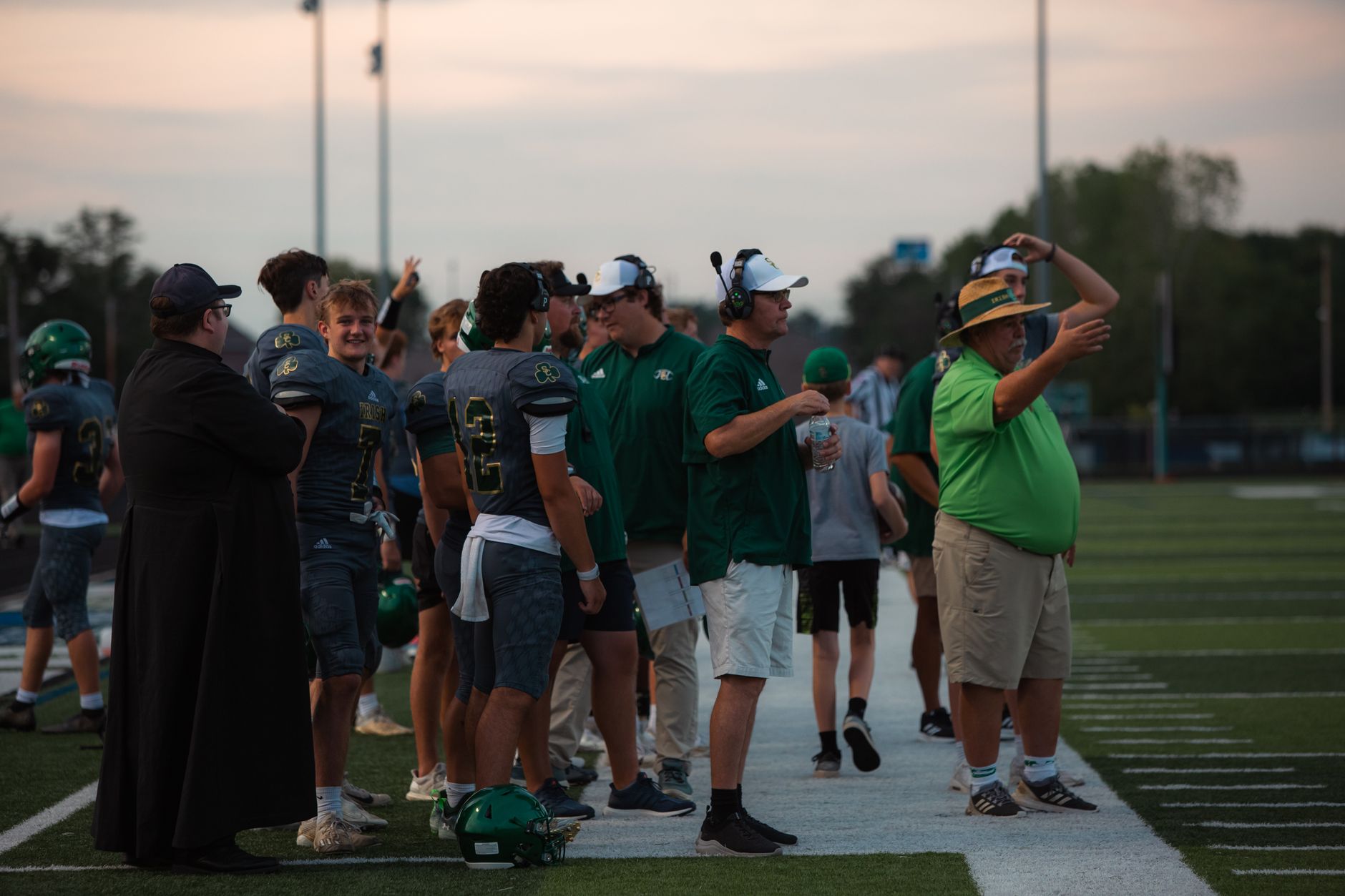
Photo by Yura Forrat on Pexels
For readers used to Coach's Corner breakdowns of World Cup tactics, the closest comparison is not striker versus quarterback; it is structure versus structure. A football offense using bunch formations to defeat man coverage is similar to a soccer side overloading one flank to isolate a fullback. The sport rewards pattern recognition. After watching 10 games, chart only three things: first-down success, third-down distance, and red-zone play type. That small sample will outperform vague commentary about “momentum” or “wanting it more.”
See the details behind sharper sports analysis and matchup reading.
If you follow betting markets: do a context check
American football betting analysis should begin with injury reports, line movement, weather, rest advantage, and matchup dependency. A point spread or total is not a prediction by itself; it is a market price shaped by liquidity, public sentiment, limits, and new information.
The regulated gaming industry has turned American football into one of the most analyzed sports products in North America. The American Gaming Association tracks legal sports betting expansion in the United States, while state regulators such as the New Jersey Division of Gaming Enforcement publish rules and reporting frameworks. The skeptical point is simple: more data does not automatically mean better decisions. If a bettor knows every quarterback passing yard prop but ignores offensive line injuries and wind speed at MetLife Stadium, the analysis is incomplete.
Two under-discussed operational details matter in 2026:
- Injury timing can move markets more than injury severity. A questionable designation released after limits rise may affect price more sharply than an earlier doubtful tag.
- Indoor stadium totals and outdoor cold-weather totals should not be compared without pace and explosive-play context. A total of 44 in Detroit can imply a different game environment than 44 in Buffalo.
[Internal Link: sports betting market movement explained]
If you compare it with global football: do not force the analogy
American football and association football share tactical depth, but the comparison breaks when people pretend they are strategically identical. Soccer flows continuously with limited substitutions, while American football is segmented into set-piece-like downs, specialized units, and repeated stoppages.
This difference explains why Coach's Corner can cover both without using the same template. In FIFA World Cup coverage, analysts may emphasize pressing triggers, rest defense, expected goals, and player heat maps. In American football, the comparable tools are expected points added, success rate, pressure rate, average depth of target, and win probability. The overlap is not the shape of the sport; it is the discipline of separating signal from noise. It is worth noting that a 17-14 NFL game can be tactically rich, while a 38-35 game can be sloppy if explosive plays are caused by busted assignments rather than sustainable design.
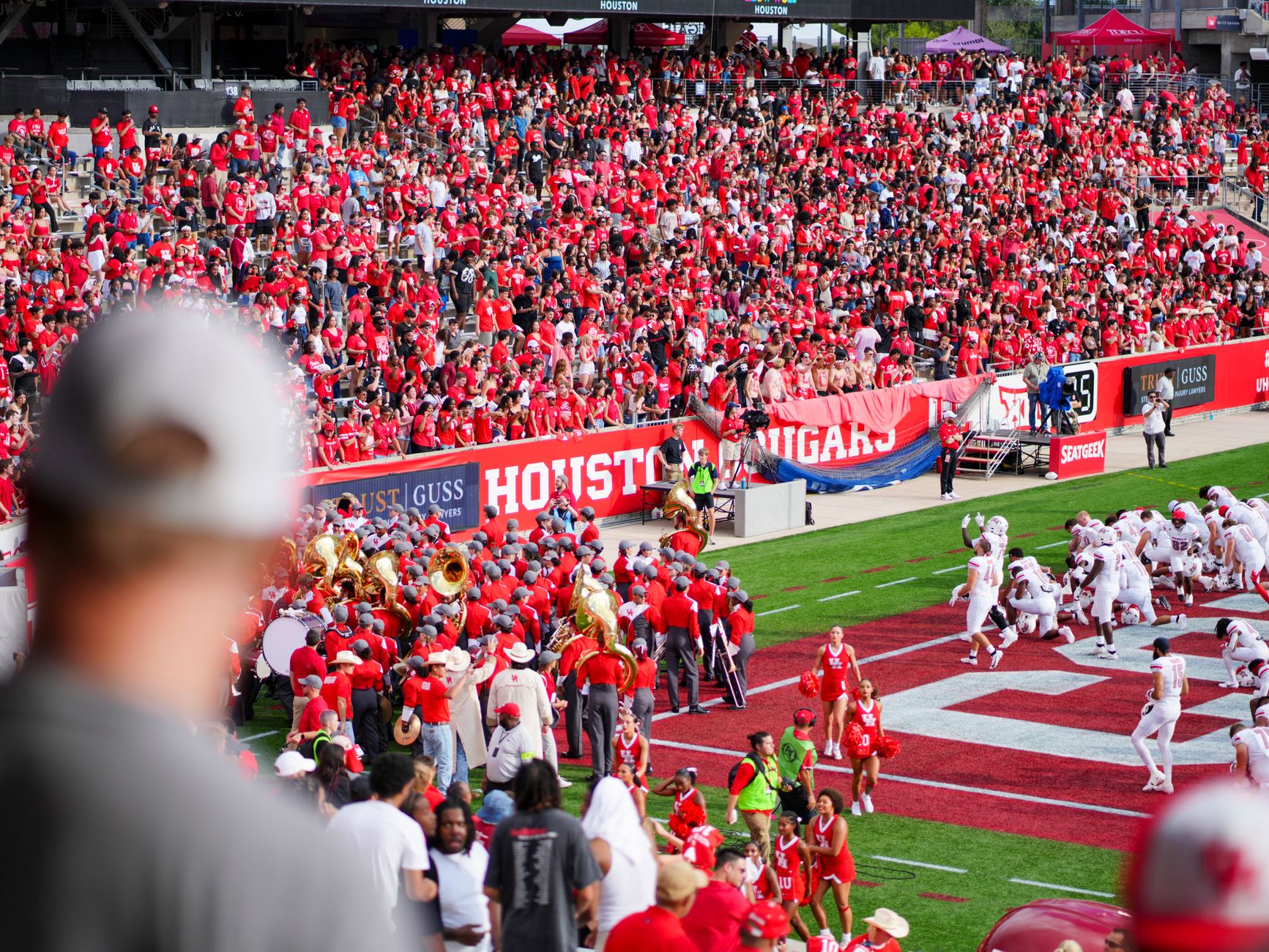
Photo by Eddie O. on Pexels
A practical comparison table helps:
| Question | American football lens | Global football lens |
|---|---|---|
| Territory | Field position and drive start | Possession zones and final-third entries |
| Chance quality | Expected points added | Expected goals |
| Tactical reset | Every down | Mostly during stoppages |
| Squad structure | Highly specialized units | Flexible positional roles |
| Market focus | Spreads, totals, props | Moneyline, totals, player markets |
For deeper cross-sport analysis, explore our related tactical resources.
[Internal Link: football tactics across sports]
Common pitfalls to avoid
The biggest pitfall is believing the scoreboard tells the whole truth. It rarely does. A team can win by 14 points after two short-field turnovers and still lose the efficiency battle. Another team can lose narrowly despite dominating early downs, simply because red-zone variance and special teams swung two possessions. The box score is useful, but it is not a courtroom verdict. The key is to separate process from outcome, especially when reading postgame narratives from television, fantasy platforms, or sportsbook recaps.
Avoid these common errors:
- Treating all rushing yards as equal, even when some are clock-killing carries against light boxes.
- Ignoring offensive line injuries while focusing only on star receivers.
- Overrating revenge games, prime-time angles, and vague locker-room narratives.
- Comparing quarterback stats without pressure rate and average depth of target.
- Assuming a favorite played badly because it failed to cover the spread.
The official NFL operations materials describe the league’s football structure and rules in detail through NFL Football Operations. As that resource puts it, “Football is an essential piece of America’s fabric,” a useful reminder that the sport is both a cultural product and a technical game. Good analysis should respect both dimensions without confusing popularity for predictability.
Build a more disciplined pregame checklist before accepting the loudest storyline.
The 30-day check-in
A 30-day American football audit should track 12 to 16 games, three core metrics, and one written note per quarter. The goal is not instant expertise; it is building a repeatable method for understanding rules, tactics, player roles, and market context.
Here is a simple plan that works better than passive viewing. In Week 1, learn formations, downs, scoring, and clock rules. In Week 2, track offensive success rate by down and distance. In Week 3, compare pregame expectations with actual injury, weather, and line-movement information. In Week 4, review your notes and identify which assumptions failed. This is where most casual analysts improve quickly: they stop asking, “Who is better?” and start asking, “Which matchup creates the clearest advantage under today’s conditions?”
A 30-day framework:
- Watch four full games without skipping special teams.
- Chart third-down distance for both teams.
- Record red-zone trips and outcomes.
- Note one protection issue or coverage adjustment per quarter.
- Compare your view with a trusted recap after the game.
The refined position is this: American football is not merely complicated, violent, or uniquely American. It is a structured contest of territory, timing, substitution, probability, and execution. Anyone who treats it as just spectacle will miss the sport’s most valuable information.
Ready to turn game watching into sharper analysis across 2026 sports coverage?

Photo by Yan Krukau on Pexels
Frequently Asked Questions
Q: What is American football?
A: American football is an 11-versus-11 sport built around advancing an oval ball into the opponent’s end zone. Teams use four downs to gain 10 yards, with touchdowns worth 6 points and field goals worth 3 points. The sport is most prominent in the United States through the NFL, NCAA football, and high school competition.
Q: How do you start understanding American football quickly?
A: Start by learning downs, distance, scoring, field position, and clock management. Then watch one full game while tracking only third downs, turnovers, and red-zone possessions. After three or four games, add formations and defensive coverages instead of trying to memorize every rule at once.
Q: What is the difference between American football and soccer?
A: American football is stop-start, possession-based, and highly specialized, while soccer is continuous and more fluid. American football resets tactically before nearly every play, using offensive, defensive, and special teams units. Soccer relies more on sustained spacing, pressing, possession phases, and limited substitutions.
Q: Why does American football analysis often fail?
A: American football analysis fails when it focuses only on quarterbacks, final scores, or highlight plays. Better analysis includes offensive line health, field position, down-and-distance efficiency, weather, and coaching decisions. A team can win while playing inefficiently if turnovers or special teams create short fields.
Q: Is American football betting legal everywhere?
A: No, American football betting is legal only in regulated jurisdictions that authorize sports wagering. In the United States, legality varies by state, with regulators such as the New Jersey Division of Gaming Enforcement overseeing licensed markets. Always evaluate market rules, available bet types, and official injury information within the relevant jurisdiction.
Q: How much does it cost to follow American football seriously?
A: Basic viewing can be free or low-cost through broadcast games, but deeper analysis may require paid streaming, data tools, or subscription platforms. A practical beginner setup can use official NFL statistics, free injury reports, and game replays before adding premium analytics. The main requirement is time, especially if you review 12 to 16 games over 30 days.
Thank you for reading this dispatch.
Coach's Corner · The Digital Broadsheet · Issue No. 001