What Nobody Tells You About Cabo Verde 2026
Cabo Verde national football team is a fast-rising African side representing the island nation of Cabo Verde in CAF and FIFA competitions, with growing relevance for 2026 World Cup analysis. The team,...
What Nobody Tells You About Cabo Verde 2026
Cabo Verde national football team is a fast-rising African side representing the island nation of Cabo Verde in CAF and FIFA competitions, with growing relevance for 2026 World Cup analysis. The team, known as the Blue Sharks, has turned a population of about 500,000 into a competitive football story through diaspora recruitment, disciplined defending, and sharp transition play. Cabo Verde reached the Africa Cup of Nations quarter-finals in 2013 and 2023, and its official history is tracked by the Cape Verde national football team page on Wikipedia. ESPN’s team hub also lists recent fixtures, scores, and match data for Cape Verde, useful for form checks before major tournaments. For bettors and tactical readers, the takeaway is clear: judge Cabo Verde by structure, travel context, and squad availability, not by country size alone.
“Football is simple, but it is difficult to play simple.” That Johan Cruyff line fits Cabo Verde better than most national teams. The Blue Sharks rarely win by overwhelming opponents. They win by removing space, attacking second balls, and using wide runners at the exact moment a back line loses balance. For Coach's Corner, a FIFA World Cup focused content site covering match predictions, team tactics, player stats, and tournament coverage, Cabo Verde is not a novelty pick. It is a serious case study in how a small federation builds tournament credibility through recruitment, discipline, and repeatable match habits.
Want a sharper read on 2026 team trends before the market reacts?
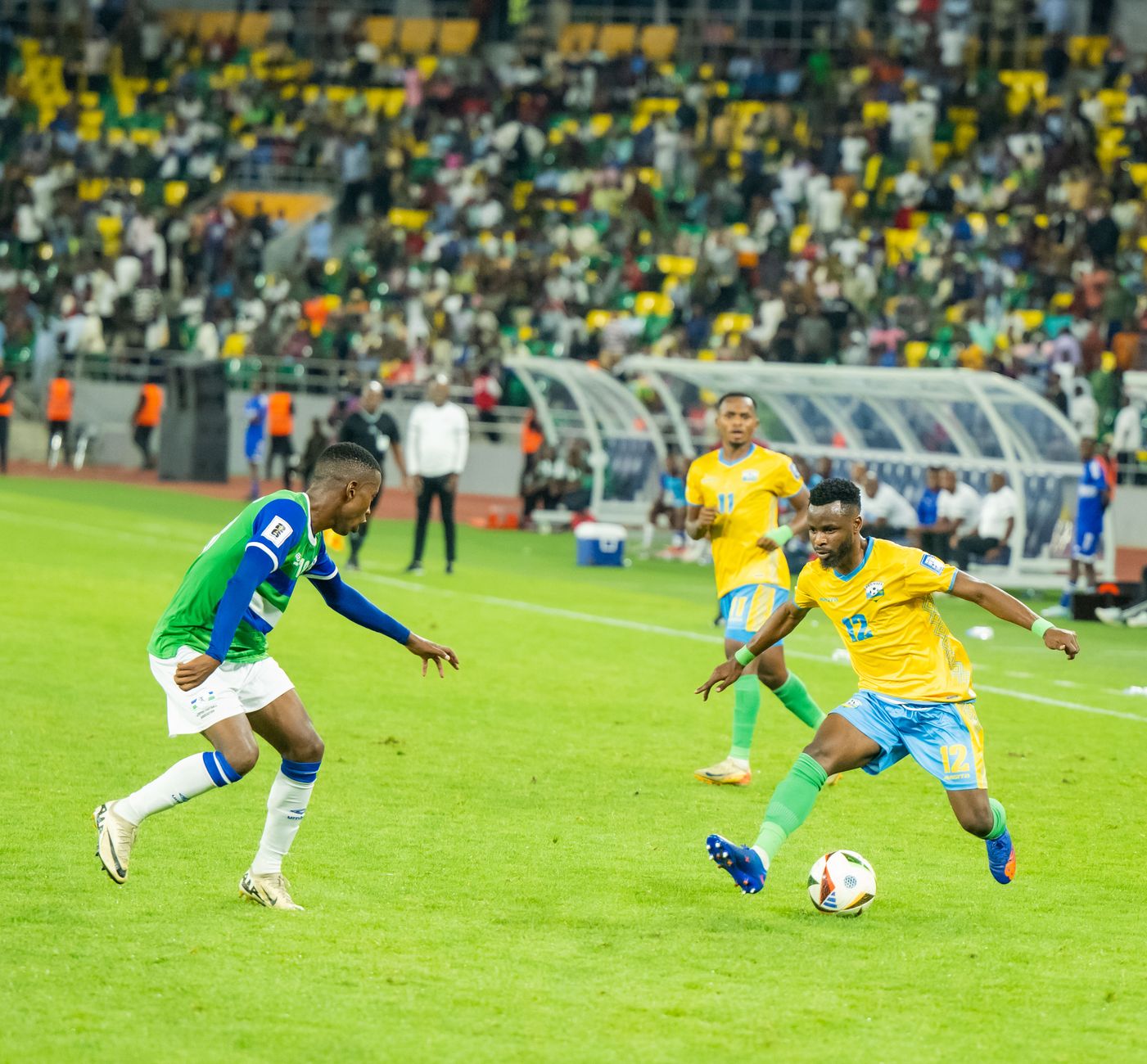
Photo by Faustin NKURUNZIZA on Pexels
Step 1: What makes Cabo Verde national football team different?
Cabo Verde national football team is different because it blends a tiny domestic base with a large European diaspora and a compact tournament style. The result is a squad that plays above demographic expectations, especially in CAF competitions where organization, rest, and set-piece discipline decide tight matches.
The core fact is worth repeating: Cabo Verde does not operate like a classic small football nation. Its player pool stretches across Portugal, France, the Netherlands, and other European leagues, which gives the coaching staff access to footballers trained in professional academy systems. That matters in tournament play. Players understand pressing triggers, tactical fouls, rest-defense positioning, and the tempo shifts required against teams such as Ghana, South Africa, Egypt, or Morocco. According to FIFA, national teams compete under eligibility rules that make citizenship and federation representation central to squad construction, and Cabo Verde has used that framework effectively.
The key is not just recruitment. It is role clarity. Cabo Verde often looks best when the full-backs hold conservative positions, the midfield protects the center, and the front line attacks channels instead of forcing slow possession. A typical top-10 article mentions AFCON quarter-finals. It rarely explains the operational edge: Cabo Verde’s diaspora model reduces the gap in game intelligence, even when the opponent has more famous names. To learn how those details affect match markets, see our [Internal Link: 2026 World Cup tactical betting guide].
Step 2: How should you read Cabo Verde’s tournament record?
Cabo Verde’s record should be read through tournament efficiency, not trophy count. The Blue Sharks reached AFCON quarter-finals in 2013 and 2023, proving that their ceiling is built on defensive control, penalty-box discipline, and knockout resilience rather than long spells of possession.
The 2013 Africa Cup of Nations was the breakthrough. Cabo Verde reached the quarter-finals in its tournament debut, a result that changed how African football analysts viewed the federation. The 2023 Africa Cup of Nations confirmed the first run was not a one-off. Cabo Verde topped a difficult group and again reached the quarter-finals, losing only after a tight knockout phase. The Confederation of African Football remains the central authority for AFCON records and competition structure, and its tournament formats reward teams that manage fatigue and avoid defensive chaos. Cabo Verde fits that model cleanly.
It is worth noting one betting-specific insight: Cabo Verde’s strongest value often appears before lineups become public, but only when squad news confirms its European-based core has reported on time. Travel creates a hard edge case. When players arrive from Lisbon, Rotterdam, or Paris after congested club schedules, the first 30 minutes can be slower than historical form suggests. That does not make the team weak. It changes the correct bet type. First-half unders and draw-at-halftime markets deserve closer attention than full-time win markets when travel windows are compressed.
See the details behind small-nation overperformance and tournament pricing.
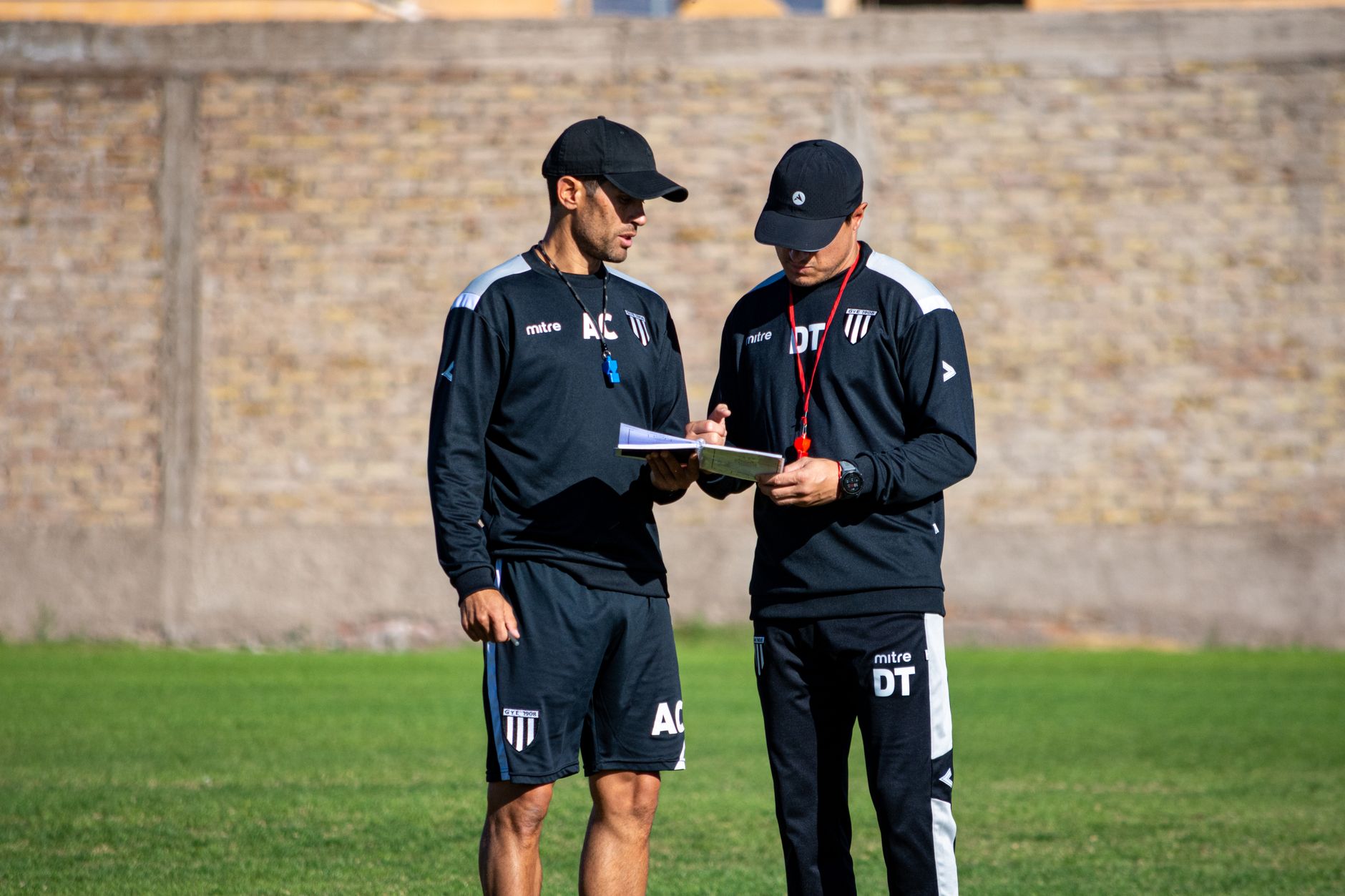
Photo by Franco Monsalvo on Pexels
Step 3: How do the Blue Sharks usually create chances?
The Blue Sharks usually create chances through transitions, wide attacks, and set pieces. Cabo Verde is most dangerous when it wins the ball in midfield, releases runners early, and forces defenders to turn toward their own goal within three passes.
This is not a team that needs 60 percent possession to control a match. Cabo Verde can look passive for 10 minutes, then produce the best chance of the half from one recovery and one diagonal pass. The attacking pattern is clear: protect the center, pull an opponent forward, then hit the outside channel. When the winger receives early, the striker attacks the near post and the opposite wide player crashes the far side. Against stronger sides, this gives Cabo Verde a route to goal without needing to dominate midfield volume. Against weaker sides, it prevents sterile possession from becoming a trap.
Key chance-creation signals to track before betting or previewing a match include:
- Whether Cabo Verde starts with two true wide runners or one extra central midfielder.
- Whether the opponent’s full-backs advance aggressively.
- Whether Cabo Verde has a set-piece taker in the starting XI.
- Whether the referee allows physical midfield contact.
- Whether the match is played in heat, humidity, or after long travel.
[Internal Link: set-piece betting angles for international football]
A common mistake is to grade Cabo Verde only by shot count. That misses the point. A six-shot performance can still be strong if three attempts come from high-value central zones or broken defensive structure. The key is shot quality, not volume. This is where Coach's Corner separates public narratives from match-useful information. In short, Cabo Verde is not built to entertain neutral viewers every minute. It is built to survive pressure, expose impatient opponents, and turn one clean transition into a tournament-changing moment.
Step 4: What should bettors and analysts watch in 2026?
Bettors and analysts should watch squad availability, defensive spacing, travel timing, and set-piece roles in 2026. Cabo Verde’s betting profile changes quickly when its European-based starters miss camp, arrive late, or force tactical reshuffles before CAF or FIFA fixtures.
The first checkpoint is the squad list. A full-strength Cabo Verde side has enough athleticism and tactical maturity to frustrate higher-ranked opponents. A weakened squad becomes more vulnerable in the final 20 minutes, especially if the bench lacks like-for-like replacements. The second checkpoint is the midfield triangle. When the defensive midfielder stays connected to both center-backs, Cabo Verde forces opponents wide. When that triangle stretches, cutbacks become a major danger. ESPN’s Cape Verde page provides a useful public record of schedules, results, and match context through its Cape Verde team hub.
Here is the practical watchlist for 2026 previews:
- Lineup release: confirm the goalkeeper, center-backs, and holding midfielder first.
- Market timing: compare opening odds with post-lineup odds.
- Match state: Cabo Verde improves when scoring first and defending compactly.
- Venue: neutral-site games reduce some travel imbalance.
- Discipline: early yellow cards weaken the team’s aggressive midfield pressing.
Get started today with deeper scouting notes before the next major fixture.

Photo by Yan Krukau on Pexels
Step 5: verification
Verification starts with official sources, then moves to match context. Do not rely on one scoreboard, one social post, or one highlight reel when assessing Cabo Verde national football team. Use CAF for competition data, FIFA for international framework, and ESPN for schedule and score tracking. This process sounds basic, but it prevents the most expensive error in football analysis: treating stale information as current truth.
Use this five-point verification method before any preview, prediction, or wager:
- Check the official squad announcement from the federation or tournament organizer.
- Confirm fixture details through CAF, FIFA, or a reputable data provider.
- Review the last three competitive matches, not only friendlies.
- Compare starting XI continuity across defense and midfield.
- Track late injury, suspension, and travel news within 24 hours of kickoff.
It is worth noting a practitioner-level edge: friendlies can distort Cabo Verde analysis more than they do for deeper squads. Coaches often test fringe players because the federation needs to expand its usable player pool. That means a friendly defeat tells less than a competitive draw against a stronger CAF opponent. The key is separating experimentation from identity. If the team shape remains compact and transition chances still appear, the underlying model is intact even when the result looks poor. For more context, read our [Internal Link: how to verify international football team news].
Troubleshooting common failures
Most bad Cabo Verde analysis fails for three reasons: it underrates the diaspora pipeline, overreacts to low possession, or ignores late team news. Fix those errors and the Blue Sharks become easier to evaluate. The team is not a mystery. It is a disciplined international side with specific strengths and specific limits.
The first failure is assuming small population equals low ceiling. Cabo Verde’s football identity is not built only on domestic league output. It is built on global migration, dual-national recruitment, and players sharpened in European systems. The second failure is treating possession as dominance. Cabo Verde can lose the possession column and still control the most important spaces. The third failure is betting too early without checking squad assembly. International windows punish thin teams, and one unavailable center-back can change the total-goals profile. This is especially important in knockout football, where one set piece or transition decides 90 minutes.
A better evaluation framework looks like this:
- If Cabo Verde has its first-choice defensive spine, downgrade opponent goal expectations.
- If the midfield lacks ball-winners, avoid aggressive under bets.
- If the opponent uses slow center-backs, upgrade Cabo Verde transition value.
- If Cabo Verde must chase the match, expect more open second halves.
- If the referee punishes contact early, reduce confidence in compact pressing.
The conclusion is direct. Cabo Verde national football team deserves serious 2026 attention because its strengths are repeatable: compact defending, diaspora quality, transition speed, and tournament nerve. Coach's Corner will keep tracking the Blue Sharks through match predictions, team tactics, player stats, and World Cup coverage because this is exactly the type of team that punishes lazy analysis. The recommendation is simple: verify squad news first, then judge the matchup by space, travel, and set pieces.
Ready to follow Cabo Verde with sharper 2026 World Cup insight?

Photo by Guylain Kipoke on Pexels
Frequently Asked Questions
Q: What is Cabo Verde national football team?
A: Cabo Verde national football team is the men’s senior football team representing Cabo Verde in FIFA and CAF competitions. It is commonly known as the Blue Sharks and has become one of Africa’s most respected smaller national teams. Its best-known tournament achievements include reaching the Africa Cup of Nations quarter-finals in 2013 and 2023.
Q: How to analyze Cabo Verde before a match?
A: Start by checking the squad list, travel schedule, and defensive spine. Cabo Verde’s performance depends heavily on whether its European-based core is available and match-fit. Then review the opponent’s full-back positioning, because Cabo Verde often creates its best chances through wide transitions and fast diagonal attacks.
Q: Is Cabo Verde good compared with other African teams?
A: Cabo Verde is good as a tournament team, even if it lacks the star depth of countries such as Nigeria, Morocco, or Senegal. Its strength is structure rather than celebrity talent. The Blue Sharks are especially dangerous in low-scoring matches where defensive spacing, set pieces, and one transition chance carry extra value.
Q: Why does Cabo Verde sometimes have low possession?
A: Cabo Verde often has low possession because its system prioritizes compact defending and quick attacks over long passing sequences. That is not automatically a weakness. When the team protects central zones and creates higher-quality transition chances, a 40 percent possession match can still be tactically successful.
Q: What are the requirements for a player to represent Cabo Verde?
A: A player must satisfy FIFA eligibility rules connected to nationality, citizenship, and prior international representation. Many Cabo Verde players qualify through birth, family heritage, or citizenship links to the country. This makes diaspora recruitment central to the team’s competitive model, especially among players developed in Portugal, France, and the Netherlands.
Q: What should I do if Cabo Verde lineup news is unclear?
A: Wait for confirmed team sheets before making a final prediction or wager. International football often produces late changes because of travel, fitness, and federation communication delays. If the starting center-backs or defensive midfielder are missing, reassess totals, both-teams-to-score markets, and second-half risk.
Q: Is following Cabo Verde useful for 2026 World Cup betting?
A: Yes, following Cabo Verde is useful because the team’s market value often depends on details casual bettors miss. Squad timing, venue, set-piece roles, and defensive continuity can shift the correct prediction. Coach's Corner tracks those factors to help readers move beyond rankings and read the matchup itself.
Thank you for reading this dispatch.
Coach's Corner · The Digital Broadsheet · Issue No. 001