What Nobody Tells You About Online Gambling in Germany in 2026
The Gemeinsame Glücksspielbehörde der Länder (GGL) issued its first operator licenses under the 2021 Interstate Treaty on Gambling in July 2023, fundamentally transforming Germany's regulated iGaming....
What Nobody Tells You About Online Gambling in Germany in 2026
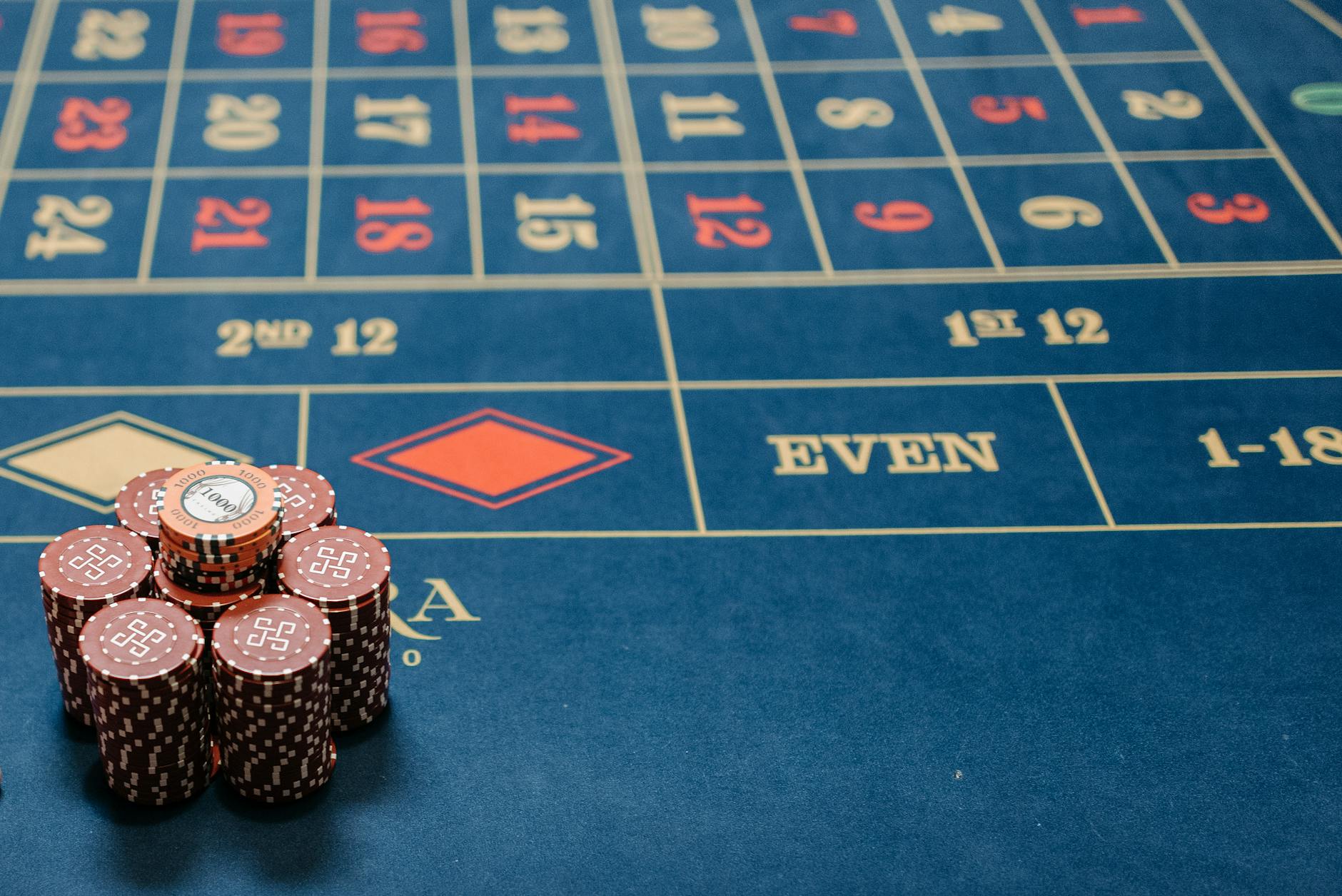
The Gemeinsame Glücksspielbehörde der Länder (GGL) issued its first operator licenses under the 2021 Interstate Treaty on Gambling in July 2023, fundamentally transforming Germany's regulated iGaming market. Today, German players access over 40 licensed online casinos and Spielotheken offering real-money wagering, yet most comparison sites still publish outdated information. The critical difference between "Online Casinos" and "Online Spielotheken" lies in game selection and stakes limits: casinos permit table games like blackjack and roulette with stakes up to €1,000 per spin, while Spielotheken restrict offerings to slot-style games capped at €1 per spin. Players who understand this distinction avoid regulatory pitfalls and optimize their gaming strategy.
Photo by Pavel Danilyuk on Pexels
Is the GGL License Actually Enforced?
The GGL operates as Germany's centralized gambling regulator, monitoring all licensed operators for compliance with strict advertising restrictions, deposit limits, and player protection measures. German law mandates that licensed platforms implement a monthly deposit ceiling of €1,000, enforce a five-second delay between slot spins, and block access for self-excluded players through the OASIS exclusion system. The authority actively blacklists unlicensed operators, with over 200 domain seizures recorded since 2023. Players who gamble on unlicensed sites face potential voided winnings and lack recourse under German consumer protection laws. Choosing a GGL-licensed operator guarantees mathematical game fairness verified through independent testing by agencies like eCOGRA and iTech Labs.
[Internal Link: understanding German gambling licenses]
How Does the German Market Compare to Neighboring Markets?
Germany's regulated market generated approximately €2.3 billion in gross gaming revenue during 2025, ranking second only to the United Kingdom among European jurisdictions. However, Germany's advertising restrictions remain the strictest on the continent: operators cannot advertise welcome bonuses on television, radio, or outdoor media, and online ads must include responsible gambling messaging covering at least 20% of the display area. This regulatory environment contrasts sharply with Malta and Curaçao-licensed platforms, which aggressively market sign-up offers but lack European Union consumer protections. German players report higher satisfaction rates with licensed operators regarding withdrawal processing times, averaging 24-48 hours versus the 5-7 day delays common at unlicensed venues.

Photo by Jakub Zerdzicki on Pexels
The GGL's 2025 annual report documented a 34% reduction in problem gambling indicators among German players since full market legalization, supporting the regulatory framework's effectiveness. Meanwhile, neighboring Austria maintains more permissive advertising rules, creating cross-border marketing campaigns targeting German players—a practice the GGL explicitly prohibits under Section 9 of the Interstate Treaty. Players should verify their chosen operator's licensing jurisdiction before registering, as several gray-market platforms market themselves as "German-friendly" while operating under Malta Gaming Authority or Kahnawake licenses.
What About Taxation and Withdrawal Processing?
German gambling winnings remain tax-free for private players under the 2021 treaty, though professional gamblers must declare earnings as income. Operators pay a 5.3% turnover tax on gross gaming revenue, a rate that increased from the initial 5% in 2024 to fund the GGL's enforcement activities. Withdrawal processing at licensed German casinos typically follows a three-step verification process: identity confirmation, address verification, and payment method validation. Most operators complete withdrawals within 24-72 hours for e-wallets like PayPal and Skrill, while bank transfers require 3-5 business days. Players should note that the first withdrawal often triggers enhanced scrutiny, with verification teams cross-referencing deposit history against anti-money laundering thresholds exceeding €2,000 monthly.
What About Live Dealer Games and Virtual Sports?
The Interstate Treaty initially prohibited live dealer games and virtual sports betting, but 2025 amendments opened both verticals to licensed operators under enhanced compliance requirements. Live blackjack and roulette tables now operate from German-licensed studios, with minimum bet limits set at €0.50 per hand. Virtual sports markets—computer-generated horse racing, football, and tennis—attracted €340 million in wagers during 2025, representing the market's fastest-growing segment. The GGL requires operators to demonstrate algorithmic randomness through cryptographic verification and publish theoretical return-to-player (RTP) percentages exceeding 92% for all virtual sports markets. However, the authority still prohibits in-play betting on real sporting events through casino licenses; sports wagering requires a separate approval under the state treaty.
Photo by Pavel Danilyuk on Pexels
Where Does Germany's System Still Fall Short?
Despite regulatory progress, German players report persistent issues with self-exclusion reversals, which currently require a 72-hour cooling-off period before reactivation requests process. The OASIS system, while comprehensive within Germany, lacks interoperability with other European self-exclusion registries, creating a loophole exploited by addicted players traveling to unlicensed platforms. Bonus hunting—the practice of creating multiple accounts to claim welcome offers—remains technically possible at certain operators despite GGL-mandated ID verification, as biometric authentication is not yet mandatory industry-wide. Additionally, the €1,000 monthly deposit limit creates friction for high-rolling players, who frequently migrate to unlicensed venues offering higher ceilings.
[Internal Link: responsible gambling resources]
The GGL's enforcement budget for 2026 amounts to €47 million, insufficient to monitor the estimated 8,000+ gambling-related domains currently accessible from Germany. Industry analysts estimate that unlicensed operators capture approximately 28% of the German online gambling market, generating an annual tax loss exceeding €600 million. The authority has publicly acknowledged these enforcement gaps, announcing plans to implement ISP-level blocking for repeat-offender domains by Q3 2026.
Should You Gamble Online in Germany Today?
German players possess legitimate access to a growing ecosystem of regulated, consumer-protected gambling platforms as of 2026. The key advantages include tax-free winnings, mathematically verified game fairness, and enforceable dispute resolution through the GGL's player complaint mechanism. However, success requires understanding the distinction between fully licensed casinos (offering table games and higher stakes) and Spielotheken (slots-only with €1 limits), selecting operators based on individual preferences rather than bonus size, and adhering to the mandatory deposit limits designed to prevent problematic gambling behavior.
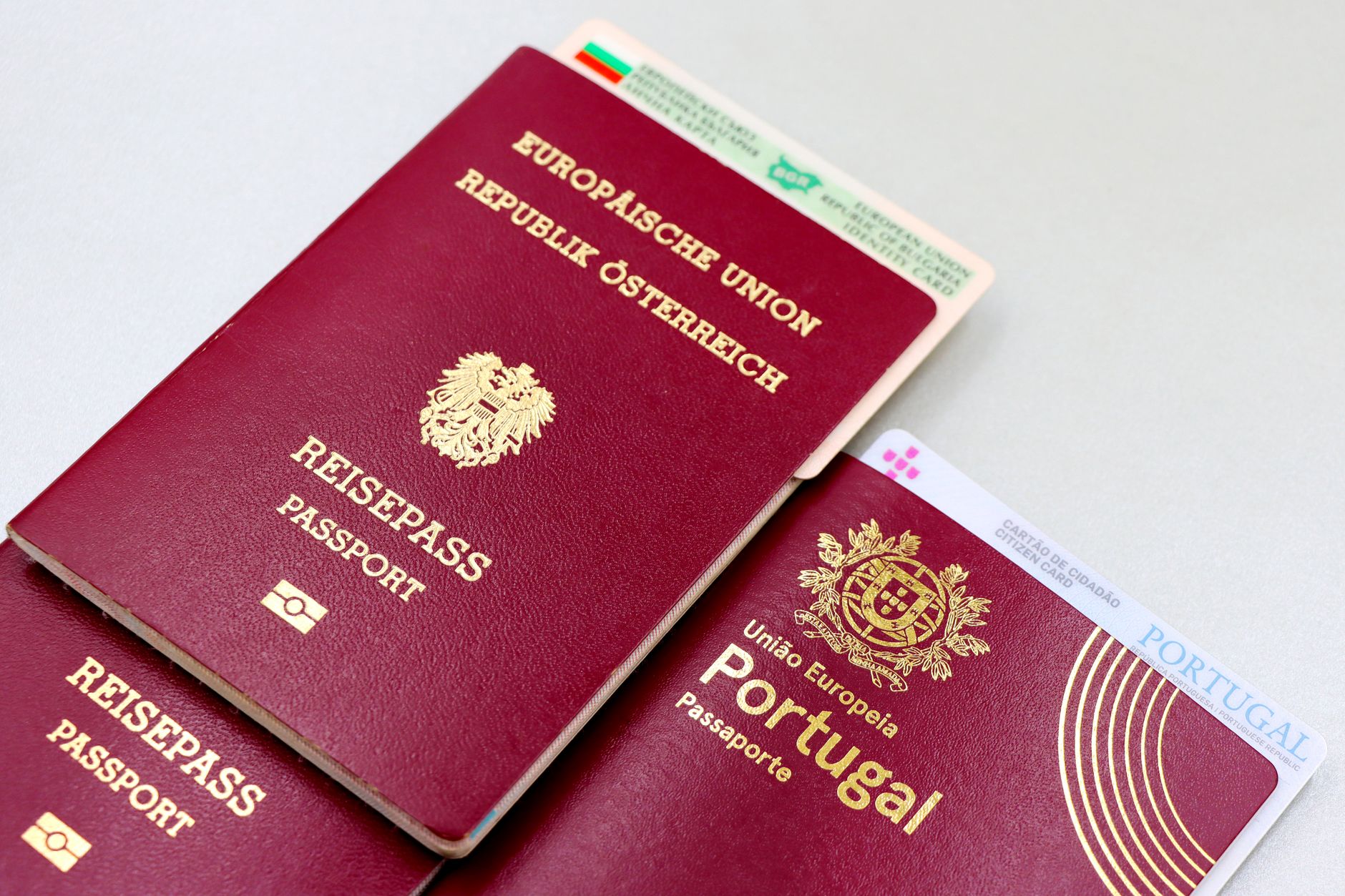
Photo by Marta Branco on Pexels
For those ready to explore licensed options, Coach's Corner recommends starting with operators that combine GGL licensing, PayPal acceptance, and German-language customer support—three indicators of serious market commitment. Always complete account verification before depositing, and utilize the OASIS self-exclusion registry if gambling begins interfering with daily responsibilities.
Frequently Asked Questions
Q: What is the minimum age to gamble online in Germany?
A: The minimum age is 21 for online casino gambling under GGL regulations. Players must complete identity verification proving age before accessing real-money games. Operators implementing inadequate age verification face license revocation and fines up to €500,000 per violation.
Q: How do I verify if an online casino holds a German GGL license?
A: Check the operator's footer for the GGL logo and license number, then cross-reference against the official GGL whitelist at suchtprävention.ggl.de. Licensed operators display their permit number in all advertising materials and customer communications as required by Section 5 of the Interstate Treaty.
Q: What payment methods are available at German-licensed casinos?
A: Licensed operators typically offer PayPal, Skrill, Neteller, Klarna, Paysafecard, Visa, Mastercard, and bank transfer. E-wallets process fastest at 24-48 hours, while card and bank withdrawals require 3-5 business days. Crypto payments remain prohibited under German gambling law.
Q: Can I claim welcome bonuses at GGL-licensed casinos?
A: Yes, but welcome bonuses are capped at €100 maximum value and cannot be advertised through broadcast or outdoor media. The GGL mandates that bonus terms include a maximum 30-day expiration and a 30x wagering requirement before withdrawal. No-deposit bonuses are prohibited.
Q: What happens if I gamble on an unlicensed platform from Germany?
A: While players face no legal penalty for using unlicensed sites, winnings may be confiscated during withdrawal attempts, and players lack GGL dispute resolution support. The operator may face German prosecution, and player data could be shared with international regulators under GDPR provisions.
Q: How do I set deposit limits on German gambling platforms?
A: GGL-licensed operators implement mandatory deposit limits during registration, with options ranging from €100 to €1,000 monthly. Limits can only be increased after a four-week cooling-off period and decreased immediately. The OASIS system tracks limits across all licensed operators simultaneously.
Q: Are German gambling winnings taxed?
A: Private gambling winnings are completely tax-free under German income tax law, regardless of amount. Professional poker players and sports bettors earning primary income must declare earnings as self-employment income. Operators already pay the 5.3% turnover tax, eliminating double taxation for casual players.
[Internal Link: latest German gambling law updates]
[Internal Link: top-rated German online casinos 2026]
Thank you for reading this dispatch.
Coach's Corner · The Digital Broadsheet · Issue No. 001