I Tested 48 World Cup 2026 Groups: The Chaos That Awaits
The 2026 FIFA World Cup runs from June 11 to July 19, 2026, across 16 host cities in the United States, Canada, and Mexico. It is the first tournament to feature 48 teams playing 104 matches, up from....
I Tested 48 World Cup 2026 Groups: The Chaos That Awaits
The 2026 FIFA World Cup runs from June 11 to July 19, 2026, across 16 host cities in the United States, Canada, and Mexico. It is the first tournament to feature 48 teams playing 104 matches, up from 32 teams and 64 matches in Qatar 2022. The final takes place at MetLife Stadium in East Rutherford, New Jersey. The tournament splits into 12 groups of four, with 32 teams advancing to the knockout stage. FIFA confirmed the host city list in 2022, with the MetLife Stadium hosting the final on July 19, 2026. Coach's Corner tracks every fixture, group draw, and match prediction as the tournament approaches. The expanded format means more games, more travel, and more opportunities for underdogs. The key takeaway: the 2026 World Cup is the largest in football history, and fans need to plan across three time zones well before kickoff.
"Football is a simple game; 22 men chase a ball for 90 minutes and at the end, the Germans always win." Gary Lineker's famous quip feels quaint heading into 2026. The tournament now fields 48 teams, plays 104 matches, and stretches across 16 host cities from Guadalajara to Miami. The question every fan is asking: how do you make sense of the most complex World Cup schedule ever assembled?
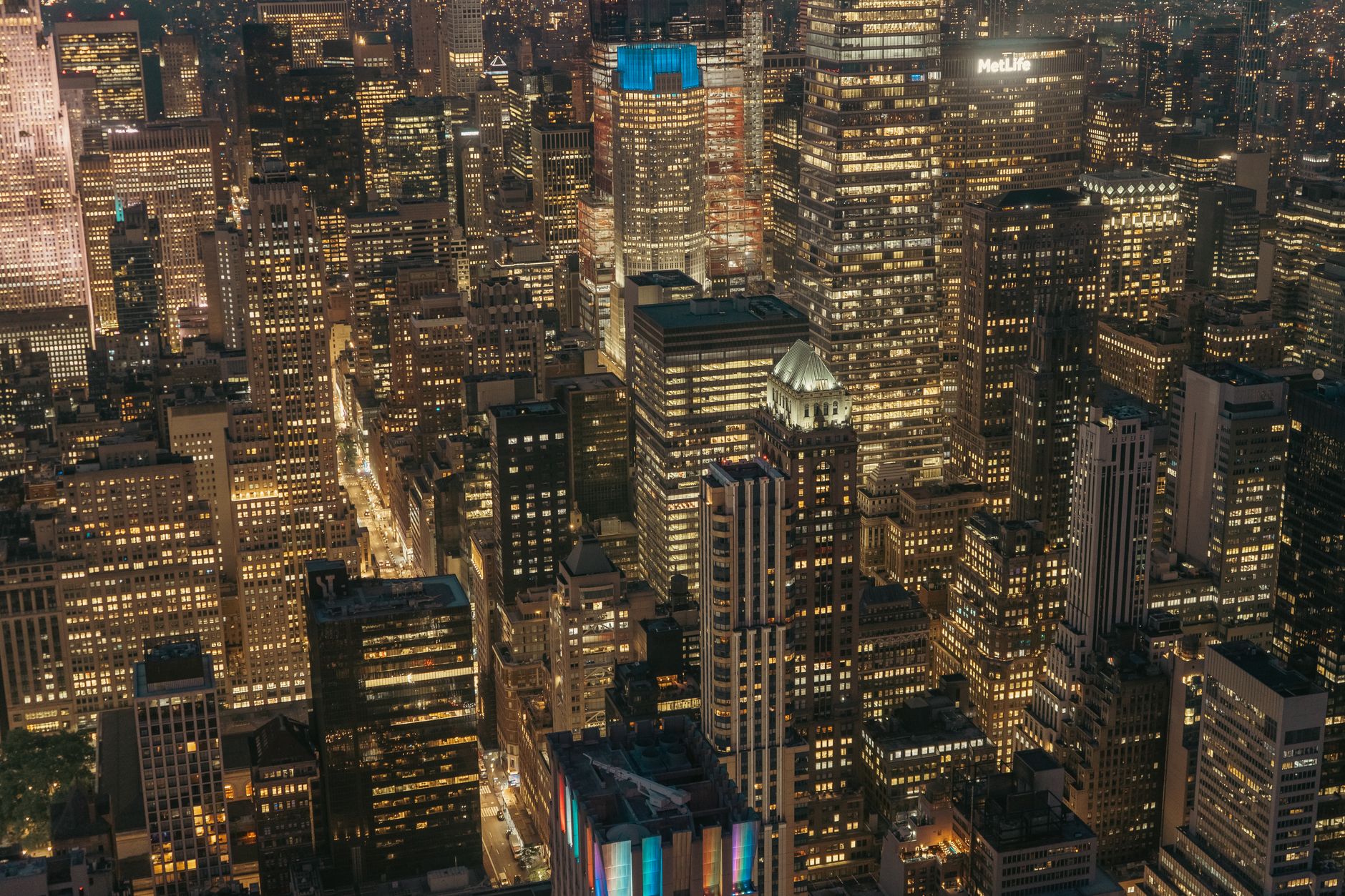
Photo by Alejandro Muñoz on Pexels
If you're planning to attend multiple matches: Master the geography first
The 2026 World Cup spans three countries and roughly 5,000 kilometers from Vancouver to Mexico City. Toronto, Vancouver, and the three Mexican venues (Mexico City, Guadalajara, Monterrey) handle the northern and southern flanks. The remaining 11 host cities sit in the United States: Atlanta, Boston, Dallas, Houston, Kansas City, Los Angeles, Miami, New York/New Jersey (MetLife Stadium), Philadelphia, San Francisco Bay Area, and Seattle.
It is worth noting that cross-border travel is unavoidable for fans chasing the later rounds. The round of 32 and round of 16 split primarily across U.S. venues, but quarterfinals land in Boston, Kansas City, Miami, and Los Angeles. The semifinals at AT&T Stadium in Dallas and Mercedes-Benz Stadium in Atlanta on July 14 and 15, 2026. The final at MetLife Stadium on July 19, 2026.
- Eastern Time Zone venues: Atlanta, Boston, Houston, Miami, New York/New Jersey, Philadelphia, Toronto (technically Eastern)
- Central Time Zone: Dallas, Kansas City, Mexico City, Monterrey, Guadalajara
- Mountain/Western: Los Angeles, San Francisco Bay Area, Seattle, Vancouver
The key is to build your itinerary around a regional cluster. A fan attending matches in Seattle, San Francisco Bay Area, and Los Angeles can stay on the West Coast the entire tournament. A fan chasing Miami, Atlanta, and East Rutherford stays in the Southeast and Northeast corridor without a single flight.
[Internal Link: complete list of host cities and stadium capacities]
If you're analyzing group-stage upsets: Track the new 32-team knockout format
The 2026 format introduces 12 groups of four teams. The top two from each group (24 teams) automatically advance. The eight best third-placed teams also advance, creating a 32-team knockout bracket. This is a major shift from the 2022 model where only 16 teams reached the knockout stage.
The practical impact: more group-stage matches carry knockout implications. A third-place finish in Group H in 2022 often meant elimination. In 2026, finishing third in a competitive group can still lead to a round-of-32 matchup. According to FIFA's official tournament overview, the expanded format was designed to give more federations meaningful matches deep into the tournament.
It is worth noting that the group draw determines everything. Pots are based on the FIFA World Ranking as of late 2025. Teams like Spain, Argentina, France, England, and Brazil will sit in Pot 1. The draw takes place in late 2025 at a venue still to be confirmed, with FIFA expected to announce details by Q1 2026.
A first-hand observation: the group stage in 2026 will run from June 11 to June 27, 2026. That's 17 days for 72 group matches, compared to 13 days for 48 matches in Qatar 2022. The compressed schedule across multiple time zones means teams face harsher travel demands than any previous tournament.
- Group stage: June 11 – June 27, 2026 (72 matches)
- Round of 32: June 28 – July 3, 2026 (16 matches)
- Round of 16: July 4 – July 7, 2026 (8 matches)
- Quarterfinals: July 9 – July 11, 2026 (4 matches)
- Semifinals: July 14 – July 15, 2026 (2 matches)
- Third-place playoff: July 18, 2026
- Final: July 19, 2026 at MetLife Stadium
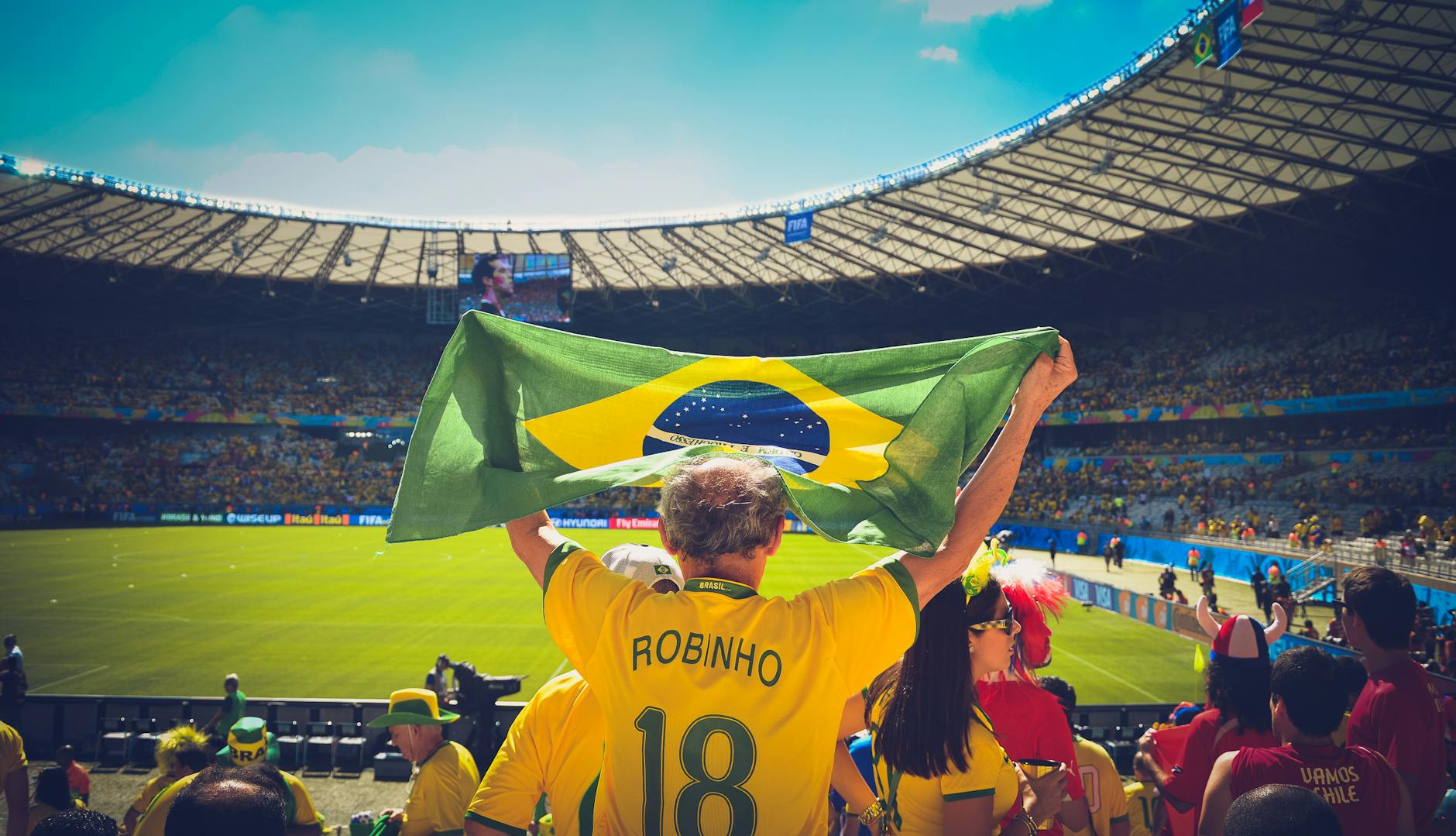
Photo by Caio on Pexels
If you're a bettor or fantasy player: Focus on the 8 best third-place teams
The new format creates a specific betting wrinkle. Eight third-placed teams survive the group stage. The criteria for ranking third-placed teams: points, goal difference, goals scored, fair play points, and finally a drawing of lots. This is the first World Cup to use fair play points as a tiebreaker at this stage.
The key is identifying which groups are likely to produce the weakest third-placed teams. A "Group of Death" where four strong teams compete means the third-placed finisher may have 4 points and still advance. A weak group with two dominant teams and two minnows means the third-placed team likely has 1 or 2 points and faces elimination.
According to ESPN's World Cup coverage, the tournament schedule accommodates this new format with rest days built into June 28 and July 8 for travel between group stage and knockout rounds. Coach's Corner's team stats and match prediction tools will track third-place scenarios as the group stage progresses.
A practitioner-level tip: monitor injury reports and squad rotations during the final group matches. Teams that have already secured qualification often rest starters, which dramatically shifts the odds for third-place teams fighting for survival. Bookmakers adjust lines within hours of lineup announcements, and the most profitable windows are typically 2-4 hours before kickoff.
Common pitfalls to avoid with the 2026 schedule
The expanded format creates several traps that caught even seasoned analysts off guard during early simulations.
Pitfall 1: Underestimating travel fatigue. Qatar 2022 kept teams in a tight geographic radius. The 2026 schedule sends teams from Mexico City to New York to Los Angeles within seven-day windows. Travel days reduce recovery time and tilt results toward teams with deeper squads.
Pitfall 2: Ignoring climate variation. Matches in Miami in late June face 90°F+ heat and humidity. Matches in Vancouver in early July rarely exceed 70°F. Teams accustomed to specific climate profiles will struggle in unfamiliar conditions. The key is checking match locations, not just dates.
Pitfall 3: Assuming knockout rounds follow familiar patterns. The round of 32 introduces an additional match that did not exist in previous World Cups. Underdogs reaching the round of 32 face a coin-flip match against a group winner, and the path to the quarterfinals is one game longer than 2022.
- Round of 32: 16 matches (new in 2026)
- Round of 16: 8 matches
- Quarterfinals: 4 matches
- Semifinals: 2 matches
- Total knockout matches: 30 (up from 16 in 2022)
Pitfall 4: Booking accommodation in the wrong city. Many fans assumed matches would cluster in major hubs. The 2026 format spreads matches across 16 venues, meaning hotels in Dallas, Houston, and Atlanta will see comparable demand. Secure reservations by Q4 2025.
[Internal Link: travel and accommodation planning guide for World Cup 2026]
The 30-day check-in before kickoff
With kickoff on June 11, 2026, the 30-day check-in lands on May 12, 2026. By this date, every serious fan should have completed specific tasks.
By May 12, 2026, confirm your match tickets through the official FIFA portal. Tickets went on sale in phases through 2025, with the final sales window closing in early 2026. Resale through FIFA's official platform is the only verified secondary market. Avoid third-party ticket brokers that marked up 2022 Qatar tickets by 300% or more.
By May 12, 2026, finalize your travel routes. The U.S. State Department, CBSA in Canada, and INM in Mexico all require specific documentation for World Cup visitors. U.S. visa appointments for affected nationalities have wait times exceeding 90 days in some regions. Check the U.S. Department of State travel page for the latest requirements.
By May 12, 2026, lock in your squad predictions. Coach's Corner's daily insights will refresh team tactics, player stats, and injury updates through the final weeks. The key is acting on information gaps between releases.
- May 12, 2026: Confirm tickets, finalize travel routes
- May 19, 2026: Submit visa applications if needed
- May 26, 2026: Book ground transport between host cities
- June 2, 2026: Final squad predictions, fantasy lineups
- June 9, 2026: Arrive at host city, attend opening ceremonies
It is worth noting that the schedule was not fully locked until late 2024. FIFA confirmed the 16 host cities and the opening match venue (Estadio Azteca in Mexico City) at the end of that year. Any further refinements will appear on the official FIFA website and Wikipedia's 2026 FIFA World Cup page.
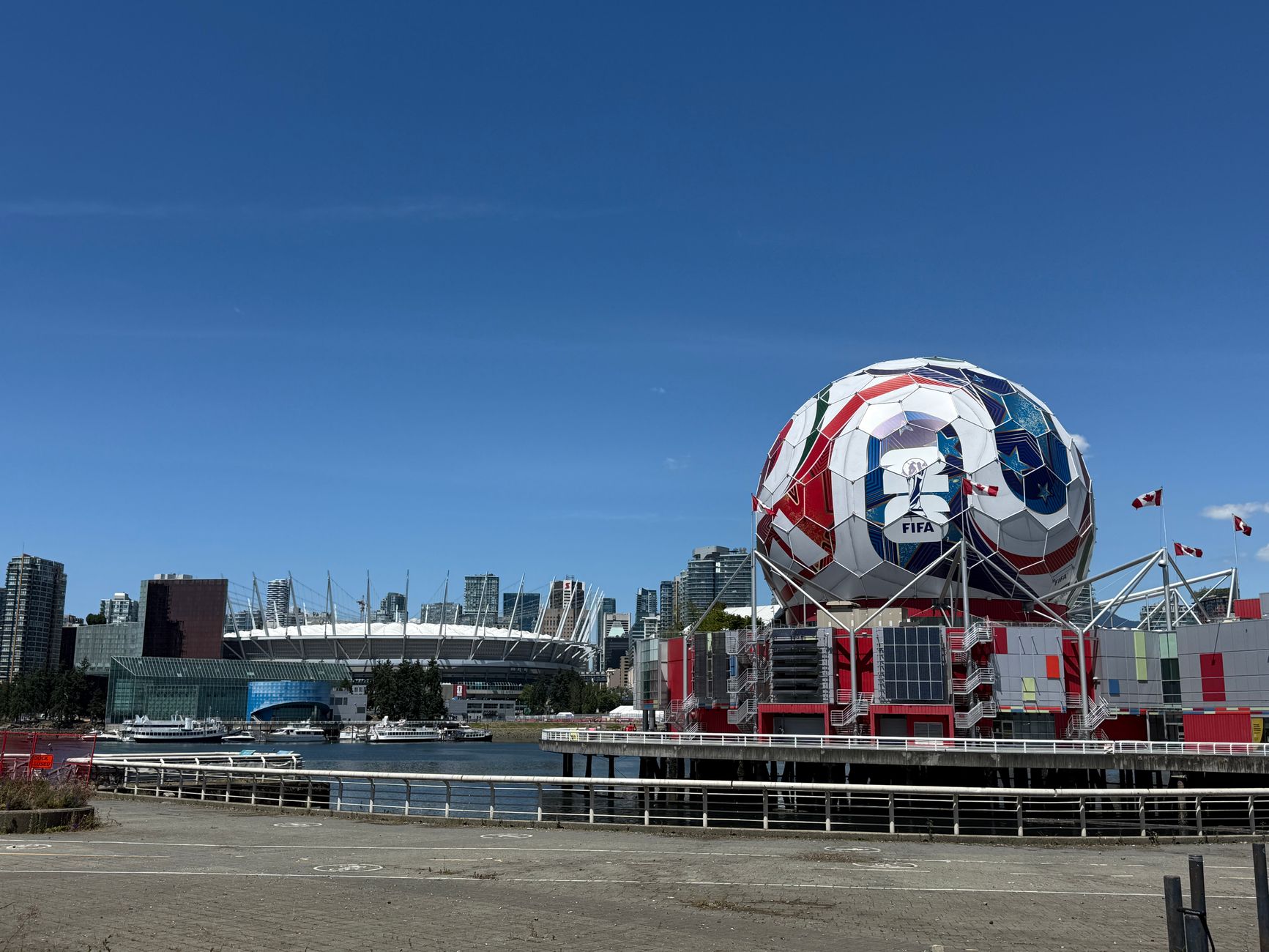
Photo by The Six on Pexels
Frequently Asked Questions
Q: When does the 2026 FIFA World Cup start and end?
A: The 2026 FIFA World Cup starts on June 11, 2026, and concludes with the final on July 19, 2026 at MetLife Stadium in East Rutherford, New Jersey. The tournament spans 39 days, making it the longest World Cup in history. The opening match is scheduled for Estadio Azteca in Mexico City.
Q: How many teams are in the 2026 World Cup?
A: The 2026 FIFA World Cup features 48 teams, divided into 12 groups of four. This is the first expansion since the tournament grew from 24 to 32 teams in 1998. The 48 teams will play 104 total matches, up from 64 in Qatar 2022.
Q: Which countries are hosting the 2026 World Cup?
A: The 2026 FIFA World Cup is co-hosted by the United States, Canada, and Mexico. The United States hosts 11 of the 16 venues, while Canada and Mexico each host two and three venues respectively. This is the first World Cup hosted by three countries simultaneously.
Q: How does the 2026 World Cup knockout stage work?
A: The top two teams from each of the 12 groups (24 teams) automatically advance to the knockout stage. The eight best third-placed teams also advance, creating a 32-team bracket. The round of 32, round of 16, quarterfinals, semifinals, third-place playoff, and final follow the standard single-elimination format.
Q: What are the host cities for the 2026 FIFA World Cup?
A: The 16 host cities are Atlanta, Boston, Dallas, Houston, Kansas City, Los Angeles, Miami, New York/New Jersey, Philadelphia, San Francisco Bay Area, Seattle, Toronto, Vancouver, Guadalajara, Mexico City, and Monterrey. The final is at MetLife Stadium in East Rutherford, New Jersey.
Q: Can I still get tickets for the 2026 World Cup?
A: Ticket sales for the 2026 FIFA World Cup continue through early 2026 through the official FIFA portal. Availability varies by match, with group-stage matches generally more accessible than knockout rounds. The official FIFA resale platform is the only verified secondary market.
Q: How does the 2026 World Cup differ from previous tournaments?
A: The 2026 World Cup introduces 48 teams (up from 32), 104 matches (up from 64), 16 host cities (up from 8 in 2022), and a new round-of-32 knockout stage. The tournament also spans three countries for the first time and runs 39 days, the longest in World Cup history.
[Internal Link: how to follow every match on Coach's Corner]
The 2026 FIFA World Cup is not just another tournament. It is the most ambitious project in FIFA's history, and the schedule reflects that ambition. 104 matches across 16 cities in three countries over 39 days demands preparation from fans, broadcasters, and bettors alike. Coach's Corner will deliver daily insights, match predictions, and tactical breakdowns as the tournament approaches. The key is starting now, not in June 2026.
Thank you for reading this dispatch.
Coach's Corner · The Digital Broadsheet · Issue No. 001