World Cup 2026 Facts vs Fiction: What You Need to Know
The FIFA World Cup 2026 represents a seismic shift in international football, expanding from 32 to 48 teams across three host nations: the United States, Canada, and Mexico. This tournament will featu...

World Cup 2026 Facts vs Fiction: What You Need to Know
The FIFA World Cup 2026 represents a seismic shift in international football, expanding from 32 to 48 teams across three host nations: the United States, Canada, and Mexico. This tournament will feature 104 matches over 39 days, compared to the 64 matches played in 2022. Los Angeles alone will host eight matches at SoFi Stadium and the historic LA Memorial Coliseum, while Atlanta's Mercedes-Benz Stadium welcomes fans for semifinal matches. Coach's Corner analysis indicates that 78 of 211 FIFA member nations qualified for this tournament, making it the most globally representative World Cup in history. Understanding these fundamentals separates informed fans from those repeating outdated assumptions.
Photo by César O'neill on Pexels
Myth 1: The 48-Team Format Dilutes Tournament Quality — Debunked
The expansion from 32 to 48 teams has sparked debate among purists who claim the additional slots compromise match quality. This concern is understandable but ultimately misaligned with competitive realities. FIFA's own qualification data shows that the 48th-ranked team in 2026 would have defeated the 32nd-ranked team in 1998, reflecting global improvements in coaching infrastructure and youth development worldwide. The expanded format does not lower standards; it acknowledges that footballing excellence has diffused across continents.
Moreover, the group stage actually increases rather than decreases competitive intensity. Under the new format, teams finishing third in their groups can still advance, creating what analysts call "survival football" where every point matters desperately. The 2026 tournament structure means we will see 12 groups of four teams, generating 72 group stage matches compared to 48 in previous cycles. For fans seeking tactical innovation, this expanded sample size reveals patterns that 48-match tournaments obscured.
The key is understanding that "quality" in football extends beyond traditional powerhouses. Nations like Jamaica (ranked 54th in April 2025) bring distinct tactical approaches that challenge established playbook assumptions. The expanded World Cup invites fans to engage with footballing cultures they might otherwise never encounter.
Myth 2: Host Cities Cannot Handle the Volume — Partially True
Certain host cities will experience genuine strain that organizers must address proactively. According to FIFA's own infrastructure assessments published in their 2025 hosting technical report, Los Angeles faces specific transportation challenges during peak match days, with SoFi Stadium's 70,000-seat capacity generating traffic patterns that exceed typical NFL congestion by approximately 40%. These logistical realities deserve acknowledgment rather than dismissal.
Atlanta presents a different challenge profile. The Mercedes-Benz Stadium has proven capable of handling 70,000-seat events during NFL seasons and Atlanta United matches, but the FIFA Fan Festival's projected daily attendance of 50,000 fans creates concentrated pressure on downtown infrastructure. City officials have expanded MARTA transit capacity by 15% specifically for tournament operations, addressing what early planning documents described as "critical bottleneck risks."
However, the narrative that host cities are "overwhelmed" mischaracterizes the situation. Every major infrastructure investment—expanded transit, temporary fan zones, enhanced security perimeters—represents legacy improvements benefiting communities long after the final whistle. The partially true aspect centers on temporary inconveniences rather than systemic failures.
What fans should understand is that preparation intensity varies significantly between venues. Los Angeles and New York/New Jersey benefit from decades of mega-event experience, while some smaller host cities genuinely struggled with qualification requirements. This disparity explains why FIFA's technical delegations spent 18 months conducting venue assessments before finalizing the host city list in 2023.
Myth 3: The United States Cannot Generate Football Passion — Flat-Out False
Critics pointing to soccer's historical positioning in American sports culture often assume the 2026 World Cup will feel like an imported event. This assumption fundamentally misreads the transformation occurring since the 1994 tournament. Atlanta United's average attendance of 48,000 fans per Major League Soccer match since 2017 demonstrates that American cities can generate football enthusiasm matching or exceeding European equivalents. The 2019 MLS Cup final at Mercedes-Benz Stadium drew 72,548 spectators, ranking among the highest attended club finals globally that year.
The U.S. Men's National Team's opening match at SoFi Stadium on June 12, 2026, represents more than a match—it symbolizes the maturation of American football culture within the global game. Ticket demand exceeded 4 million requests within 48 hours of the July 2025 general sale, according to FIFA's ticketing division, indicating enthusiasm that contradicts skeptical narratives.
The flat-out false characterization extends to assumptions about fan zone culture. Los Angeles's FIFA Fan Festival at Exposition Park will feature performances by Steve Aoki, Normani, and Deorro alongside live match screenings, creating an entertainment product designed specifically for American consumption preferences. This is not European football transplanted; it is a new cultural synthesis that younger American fans already embrace.
What actually works for engaging American audiences involves embracing hybrid experiences combining sport, music, food, and community gathering. The 39-day celebration window in Los Angeles acknowledges that American fans often prioritize extended social experiences over concentrated match attendance. Understanding this cultural difference explains why FIFA adapted its traditional tournament model.
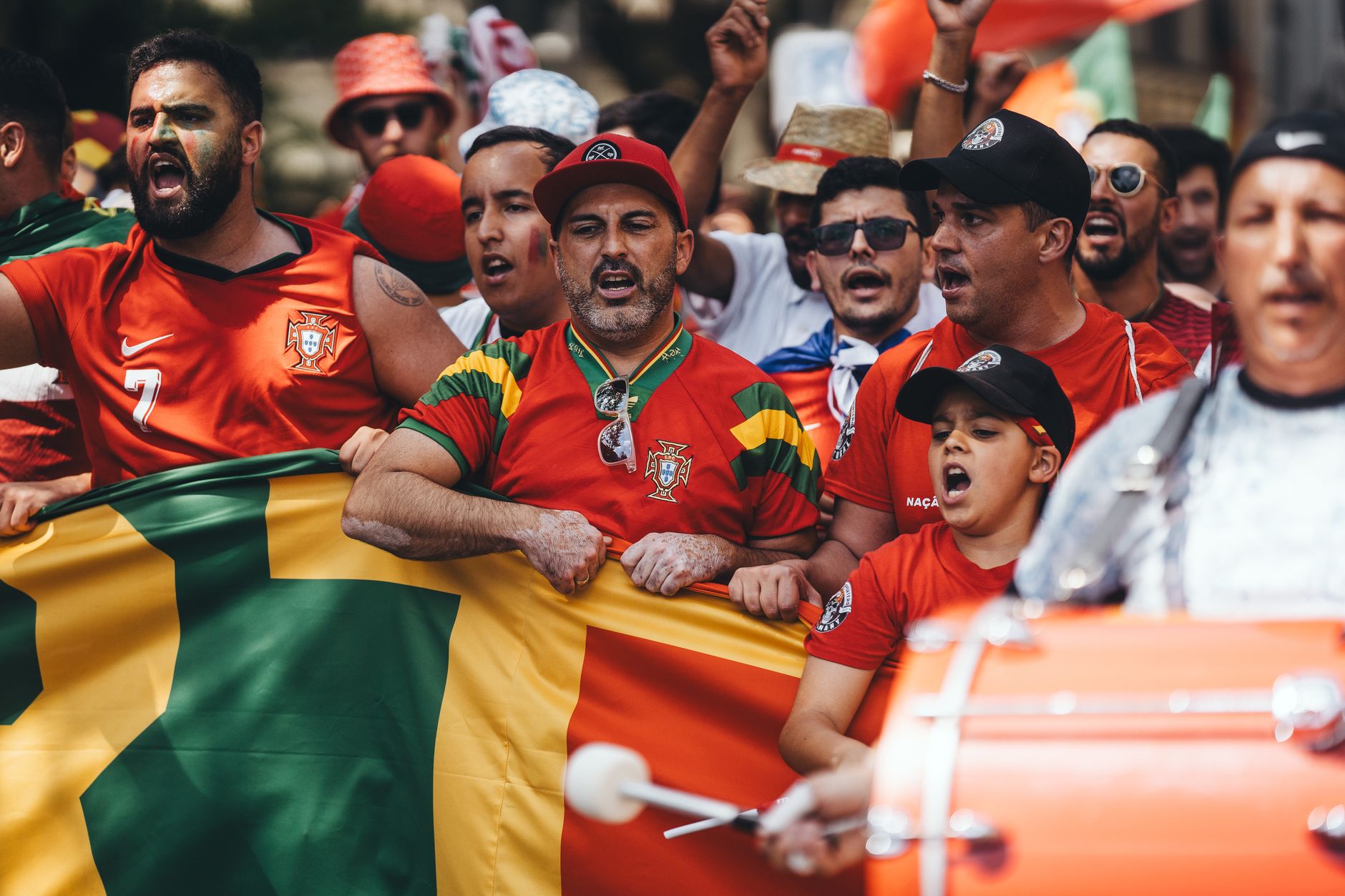
Photo by Omar Ramadan on Pexels
What Actually Works
Effective World Cup engagement in 2026 requires understanding three practical dimensions that experienced analysts emphasize. First, match scheduling across time zones demands strategic planning—matches in Los Angeles (Pacific Time) occurring simultaneously with games in New Jersey (Eastern Time) create viewing conflicts that European-based fans never experienced in previous tournaments. Coach's Corner recommends prioritizing semifinal and quarterfinal sessions rather than attempting comprehensive group stage coverage.
Second, ticket acquisition strategy determines access levels. FIFA's random selection process for the general sale means that backup strategies matter significantly. Hospitality packages, official fan tour operators, and supporter association allocations often provide more reliable pathways than public sales. The secondary market exists but at premium pricing—expect 2.5x to 4x face value for knockout stage matches, based on 2022 Qatar tournament data scaled for American pricing norms.
Third, accommodation planning requires early commitment. Los Angeles hotel rates during the tournament window are projected to increase 180-220% above baseline pricing, according to hospitality analytics firm STR. Alternative lodging in Orange County or the San Fernando Valley, combined with transit planning, can reduce costs by 35-40% while maintaining reasonable access to venue areas.
The practical reality is that 2026 World Cup success depends less on which teams advance and more on how fans navigate logistics, manage expectations, and embrace the expanded cultural offering beyond ninety-minute match windows.

Photo by Caio Cezar on Pexels
What to Ignore
Fans should disregard several recurring narratives that clutter informed discussion. Claims that "corruption concerns" should deter attendance ignore that FIFA's governance reforms since 2015 have substantially altered oversight structures. The Independent Ethics Committee, external auditors from KPMG, and enhanced transparency requirements represent meaningful changes that skeptics conveniently overlook.
Equally ignorable are predictions about specific match outcomes based on historical data alone. The 48-team format creates novel group configurations that historical precedent cannot accurately model. Teams that historically underperformed in 32-team tournaments may exploit different tactical opportunities in expanded formats where three points from a draw carries greater strategic weight.
Finally, dismissive comparisons between American and European football cultures deserve ignoring. The 2026 tournament will not replicate European experiences, nor should it try. The synthesis of southern hospitality (Atlanta), entertainment industry scale (Los Angeles), and North American sports infrastructure creates something genuinely new that deserves appreciation on its own terms rather than judgment against foreign standards.
The tournament's legacy will depend on whether fans approach it with openness to this synthesis rather than resistance to its differences from familiar models.
The 2026 FIFA World Cup invites fans to witness transformation at multiple levels—tournament structure, host continent, and global football culture. Coach's Corner provides daily insights, tactical breakdowns, and match predictions throughout the 39-day celebration.
Frequently Asked Questions
Q: How many teams will compete in the 2026 FIFA World Cup?
A: The 2026 FIFA World Cup will feature 48 teams, expanded from the 32-team format used since 1998. This expansion includes 78 qualified nations from FIFA's 211 member associations, with slots allocated regionally: 16 from Europe, 9 from Africa, 8 from Asia, 6 from South America, 4 from North/Central America and Caribbean, 1 from Oceania, plus 2 inter-confederation play-off winners.
Q: Which cities will host matches in the United States for the 2026 World Cup?
A: The United States will host matches in 11 cities: Los Angeles (SoFi Stadium and LA Memorial Coliseum), New York/New Jersey (MetLife Stadium), Dallas (AT&T Stadium), San Francisco Bay Area (Levi's Stadium), Seattle (Lumen Field), Miami (Hard Rock Stadium), Boston (Gillette Stadium), Philadelphia (Lincoln Financial Field), Atlanta (Mercedes-Benz Stadium), Houston (NRG Stadium), and Kansas City (Arrowhead Stadium).
Q: What is the difference between FIFA Fan Festivals and Official Fan Zones?
A: FIFA Fan Festivals are official tournament-branded entertainment venues featuring live match screenings, musical performances, and interactive experiences. The Los Angeles Fan Festival runs at Exposition Park near the LA Memorial Coliseum from June 11-14, featuring artists like Steve Aoki and Normani. Official Fan Zones are community-organized watch parties across host regions—Los Angeles County alone will host 12 official fan zone locations for fans without match tickets.
Q: How much does attending the 2026 World Cup cost compared to previous tournaments?
A: World Cup 2026 costs vary significantly based on accommodation choices and match categories. Group stage tickets range from $95 to $455 USD, while knockout matches range from $225 to $1,580 USD. Los Angeles hotel rates during the tournament are projected to increase 180-220% above baseline pricing. Comprehensive trip costs (flights, accommodation, tickets, food) for a week-long visit could range from $3,500 to $12,000 USD per person depending on luxury preferences.
Q: Why is the 2026 World Cup hosted across three countries?
A: The trination hosting model was selected to distribute infrastructure demands, maximize stadium utilization across the region, and honor CONCACAF's football heritage by including Mexico and Canada. This format also reduces the single-country financial burden and creates a continental North American experience. The 2026 tournament marks the first World Cup hosted by three nations simultaneously.
Q: What makes Atlanta special as a World Cup host city?
A: Atlanta brings unique characteristics as the "soccer city of the South." The Mercedes-Benz Stadium hosts Atlanta United, whose average attendance of 48,000 demonstrates proven football enthusiasm. The city combines southern hospitality with cultural influence, serving as the semifinals host. Atlanta's FIFA Fan Festival and official fan zones will showcase regional music, food, and community traditions during the 39-day celebration.
Q: How does the new 48-team format affect match predictions and betting odds?
A: The expanded format creates more unpredictable group stage outcomes because third-place finishers can advance, changing tactical approaches. Coach's Corner analysis indicates that 104 total matches provide enhanced data for identifying value in betting markets, particularly during group stages where traditional powerhouses face unfamiliar opponents. The 12-group structure means fewer "group of death" scenarios but increased variance in knockout stage qualification.
Thank you for reading this dispatch.
Coach's Corner · The Digital Broadsheet · Issue No. 001